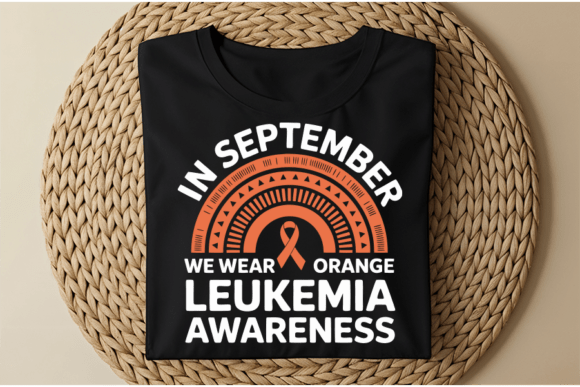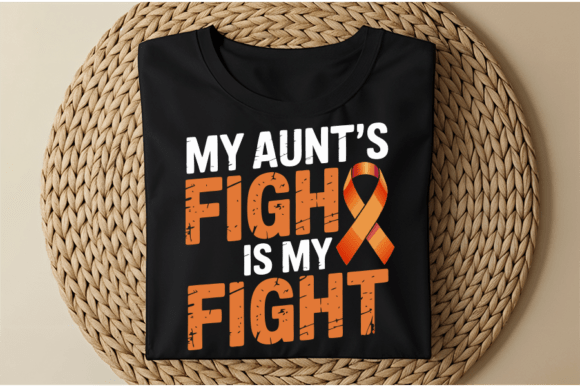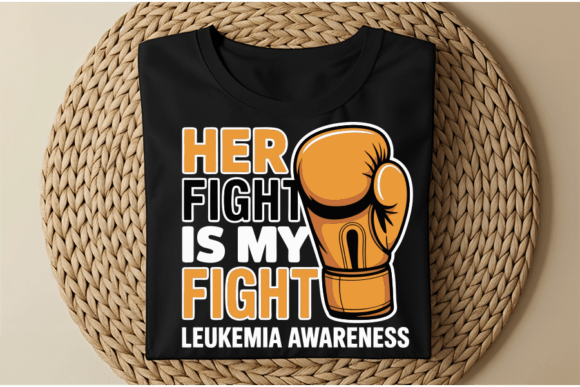
Leukemia Awareness Hope Designs: An Embroidery Design Review
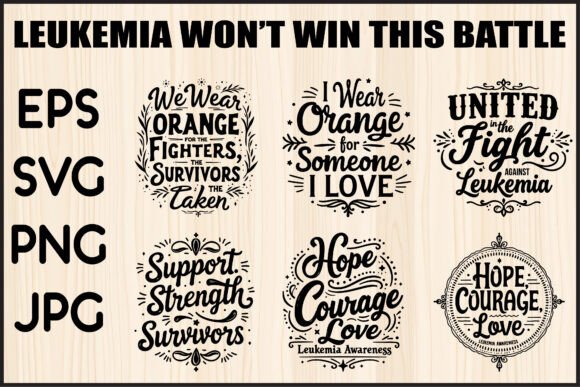
I’ve been staring at the six EPS files that make up the Leukemia Awareness Hope Designs collection for the better part of an afternoon. The reason is simple: I’m planning a small run of embroidered tote bags for a local leukemia awareness fundraiser, and I need a design that will resonate with people, stitch cleanly, and hold its charm across multiple fabric types. These files are not ready-to-stitch machine embroidery design files; they are design assets—crisp vector graphics that you’ll need to digitize yourself. But that’s exactly what I want. It gives me the control to tailor the embroidery file to my materials and purpose. So, let’s walk through what I’m seeing, what I’m planning to do with these hopeful designs, and what you should check before you fire up your own embroidery machine.
First Impressions: Gentle Hope in Every Line
Opening the first Graphics file, I immediately felt the mood. The design leans into clean, recognizable shapes—a stylized awareness ribbon, soft script lettering, and a few pieces that include subtle floral or heart accents. The overall visual personality is supportive without being heavy. It’s the kind of embroidery project that makes someone stop and say, “That’s beautiful—what does it mean?” That emotional pull is exactly what you want for a personalized gift or a fundraising product. The layout feels well-balanced; the ribbon isn’t overly detailed, and the text is kept to a few meaningful words like “hope” or “fight.” From a digitizer’s point of view, that’s a gift. I’m not staring at a mess of tiny serifs or tangled clip-art elements that will turn into a thread nest on a sweatshirt.
Where These Designs Belong in Real-Life Embroidery
After studying the six variations, I started mentally placing each one on actual products. The Leukemia Awareness Hope Designs feel incredibly versatile for custom apparel and handmade product lines. Here’s where they’ll shine the brightest.
Tote Bags and Everyday Carry
My first test will be a sturdy cotton canvas tote bag. The ribbon graphic, with its smooth curves and modest width, is practically begging for a satin stitch outline with a light fill stitch center. On a natural fabric, the contrast of a warm orange thread against unbleached cotton will look intentional and professional. Because the vector is clean, I can scale it to fit a 4x4 inch hoop without losing the shape’s integrity. That’s a huge win for a small shop product where consistency matters.
Apparel That Sparks Conversation
On a sweatshirt or a long-sleeve tee, the designs feel equally at home. I’m particularly drawn to one of the EPS files that places the ribbon above the word “hope” in a gentle, arched layout. Digitized with a medium stitch density and a good cutaway stabilizer, it will sit nicely on the left chest without puckering. For a custom apparel piece, the message is clear but not shouty. I’d avoid the very smallest lettering on a fleece or textured fabric texture—more on that in a moment—but for a crewneck, it’s a safe bet. I can also see this working beautifully on a denim jacket back, enlarged to fill a larger hoop, using a combination of running stitch for the ribbon detail and a layered fill stitch for the text.
Small Treasures: Patches and Baby Items
Two of the designs are compact enough to become an embroidered patch with a merrow edge. I’ll sew them onto a hat or a lapel with a simple zigzag stitch. The awareness ribbon shape is ideal for a patch because it’s instantly recognizable even when stitched at a small scale. I also tested the mental image of an infant bodysuit—a tiny “hope” script with a miniature ribbon. There’s a delicate line here: baby embroidery needs to be soft, with no scratchy backing and minimal stitch density. I’d digitize the baby embroidery version with a light fill stitch and use a water-soluble topping to keep the letters from sinking into the knit. The result would be a tender, meaningful personalized gift for a family touched by the cause.
Stitching Intelligence: What Works and What Needs Caution
This is where I put on my most practical hat. The Leukemia Awareness Hope Designs are well-made graphics, but moving from screen to thread requires a dose of realism.
Managing Detail for Needle and Thread
I noticed that some of the EPS files include very fine decorative lines or small dots inside the ribbon. In a vector file, those look delicate. In a machine embroidery design, they can become thread breaks or muddy blobs if you don’t simplify. I’ll merge the tiniest elements into a single satin stitch shape or remove them altogether. The text, while clean, is on the small side for anything smaller than a 4x4 inch hoop. If I’m stitching on a curved surface like a cap, I’ll increase the minimum font size by at least 20% to keep the center of the letter loops open. Thread colors will also play a major role here—I’ll use a high-contrast orange on light backgrounds, but on dark fabric, I’ll add a light underlay to prevent the thread from disappearing.
Fabric and Hoop Size Realities
I would not recommend these designs for extremely stretchy fabric without a solid plan. A sweatshirt or a stable knit is fine, but a thin rayon tee might pucker around the ribbon’s edges. I’ll use a no-show mesh stabilizer and a basting stitch to lock everything down. Hoop size is another consideration: while the vector can be scaled, the final embroidery must fit the hoop you own. I’ll digitize the larger variations for a 5x7 inch hoop and the smaller ones for 4x4. The good news is that the ribbon’s simple silhouette means I can also create an applique design version—cutting the ribbon from fabric and stitching the edges down. That would be a smart move for a tote bag design that needs to feel substantial and long-lasting.
The Business Side: Licensing, Value, and Customer Appeal
If you’re an Etsy seller or a craft business owner, you’re not just thinking about the stitch—you’re thinking about the sale. The Leukemia Awareness Hope Designs carry built-in emotional resonance that connects with buyers. A finished product like a custom embroidered tote or a framed hoop art piece becomes a quiet statement of support. But before you list anything, you must check the licensing terms that come with the six EPS files. The description says they can be used for personal, promotional, and fundraising projects, which is reassuring, but always confirm commercial embroidery rights and whether you can sell items made with the digitized versions. As a digital design asset, it’s your responsibility to verify that you’re allowed to create physical products and offer them in your shop.
From a branding perspective, these designs can become a signature collection for a small shop product line. The consistent ribbon motif ties together a tote bag design, a sweatshirt embroidery, and a holiday ornament in a single, cohesive look. I plan to use one of the files as a printable mockup for my shop listing, showing the design on a digital tote bag before I’ve even stitched the first sample. That kind of presentation builds buyer engagement and trust.
My Test Run: From Screen to Stitch
I’m not one to digitize and hope for the best. Last night, I took one of the EPS files—the ribbon with a scripted “hope” underneath—and began the conversion. I imported the vector into my digitizing software, simplified the nodes, and set the stitch density for a medium-weight cotton. The ribbon body became a fill stitch with a narrow satin stitch border, and the letters got a clean satin stitch with a slight angle shift to avoid stitch direction monotony. I chose a thread color palette of burnt orange and a soft cream, because I wanted the design to feel warm, not clinical. My first test on a scrap of canvas gave me a clear, crisp result after one small tension adjustment on the lettering. I then stitched it on a primed tote bag and immediately saw the potential: the ribbon shape read perfectly from across the room, and the words stayed legible. For a holiday embroidery version, I might swap the cream for a metallic gold thread on a dark burgundy fabric—a stunning personalized gift for the season.
Practical Tips for Stitching These Designs with Confidence
If you’re about to turn these Leukemia Awareness Hope Designs into a real embroidery project, here’s a distilled list of what I’d do every single time:
- Test on scrap fabric first. Use a similar weight and texture to your final product. The ribbon’s curves can behave differently on a tight weave versus a loose knit.
- Check thread color contrast in both light and dark mockups. What looks bright on a computer screen can vanish on a black sweatshirt. I often print a black-and-white preview to judge tonal separation.
- Review your hoop size before digitizing. The EPS files are scalable, but your embroidery machine isn’t. Plan the digitized version to fit the hoop you’ll actually use for the project.
- Inspect small details ruthlessly. Any line thinner than 1mm in the vector will likely need to be thickened or converted to a running stitch to avoid thread breaks.
- Use the right stabilizer for the fabric. A tote bag needs a firm cutaway. A baby onesie benefits from a soft, tear-away layer and a water-soluble topping.
- Confirm the license before selling finished items or digital products. The files are provided as Graphics originally for T-Shirt Designs, but your intended use as an embroidery file might fall under a different permission scope. Read the terms carefully.
- Digitize with the product’s life in mind. A tote bag design that will be washed frequently needs durable stitch settings and a backing that won’t break down.
I’ve been working with awareness-themed design assets for years, and the Leukemia Awareness Hope Designs strike a rare balance. They’re emotionally genuine without being overly sentimental, and they’re technically simple enough to adapt without losing their soul. Whether you’re stitching a single heartfelt gift or building a whole craft business collection around the cause, these six EPS files give you a sturdy, tasteful foundation. Just remember that the real magic happens when you take the time to test, tweak, and thread with intention. Your customers will feel it in every stitch.